MOLLY ROCK
Price range: $60.00 through $599.00
Molly and ecstasy are closely related substances centered around MDMA, but they differ in form, perceived purity, and risk profiles. While molly is often marketed as a cleaner alternative, both carry significant health risks, especially when obtained from unregulated sources.
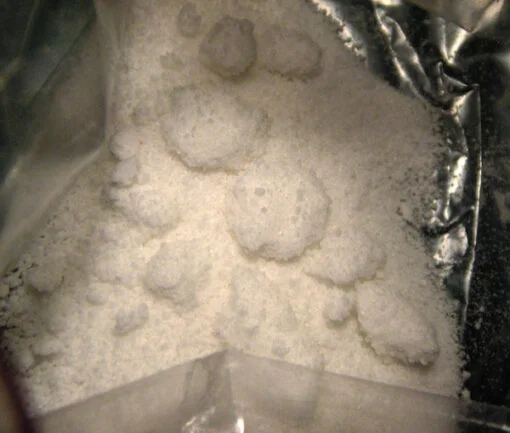
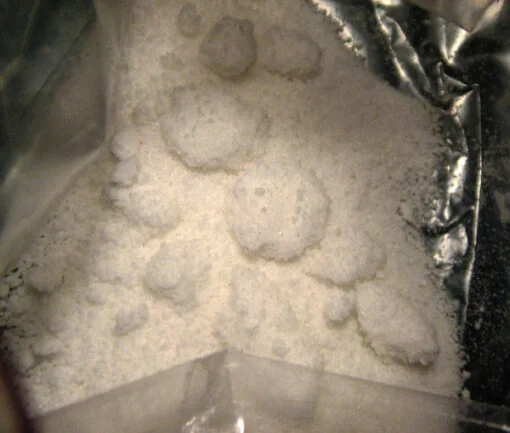
Molly Rock
What Is Molly?
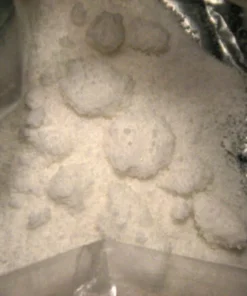
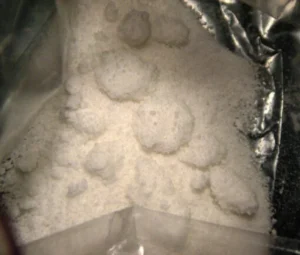
Molly Rock is a common street name for the psychoactive substance MDMA (3,4-methylenedioxymethamphetamine). It is often marketed as a “pure” crystalline or powder form of MDMA, typically associated with party scenes, festivals, and nightlife culture.
- molly drug effects
- what is molly
- mdma vs molly
- is molly safe
- molly side effects
Molly is known for producing feelings of euphoria, emotional warmth, empathy, and increased sensory perception. However, despite its reputation for purity, many samples sold as molly are often mixed with other substances, which increases potential risks.
How Molly Rock Affects the Body and Brain
Molly primarily works by increasing the activity of three key neurotransmitters:
- Serotonin (mood and emotion)
- Dopamine (pleasure and reward)
- Norepinephrine (energy and alertness)
Short-Term Effects of Molly
- Elevated mood and energy
- Enhanced empathy and emotional closeness
- Increased heart rate and body temperature
- Heightened sensory perception
Potential Side Effects
- Dehydration or overhydration
- Jaw clenching and muscle tension
- Anxiety or confusion
- Nausea
Long-Term Risks
- Memory problems
- Sleep disturbances
- Depression after use
- Potential neurotoxicity with repeated exposure
These risks are often searched using problem-solving keywords like:
- long term effects of molly
- molly comedown symptoms
- is mdma addictive
Molly vs Ecstasy
One of the most common search queries is the comparison between molly rock and ecstasy. While both are related to MDMA, there are important differences.
1. Form and Appearance
- Molly: Typically sold as a white powder or crystalline substance
- Ecstasy: Usually pressed into colorful pills or tablets
2. Purity and Composition
- Molly: Marketed as pure MDMA, but often adulterated
- Ecstasy: More likely to contain mixtures of substances, including stimulants, caffeine, or synthetic compounds
3. Perceived Safety
- Many people believe molly is safer due to its “pure” label, but this is misleading. Both forms can be contaminated and unpredictable.
- molly vs ecstasy difference
- mdma vs ecstasy pills
- is molly safer than ecstasy
- what is in ecstasy pills
4. User Experience
- Effects are generally similar since both aim to deliver MDMA-related sensations
- Differences in additives can lead to variations in intensity and side effects
Is Molly Addictive?
Molly Rock is not considered as physically addictive as substances like opioids, but it can lead to psychological dependence. Users may feel compelled to repeat the experience due to its intense emotional and sensory effects.
-
- Frequent cravings
- Increased tolerance
- Using despite negative consequences
- Difficulty enjoying activities without it
Signs of Problematic Use
- is molly addictive
- mdma addiction signs
- how addictive is ecstasy
Harm Reduction and Safety Awareness
While abstinence is the only way to avoid risk entirely, harm reduction information is commonly searched and helps improve user safety.
Key Safety Considerations
- Avoid mixing with alcohol or other substances
- Stay hydrated, but don’t overdrink water
- Take breaks from dancing to prevent overheating
- Be cautious of unknown purity
- how to stay safe on molly
- mdma harm reduction tips
- risks of mixing molly and alcohol
Molly Rock in Medical Research
Interestingly, MDMA has gained attention in recent years for its potential therapeutic use, particularly in controlled clinical settings.
Areas of Study
- Post-traumatic stress disorder (PTSD)
- Anxiety associated with terminal illness
- Depression
However, these treatments are conducted under strict medical supervision and are not comparable to recreational use.
- mdma therapy research
- mdma clinical trials
- is mdma used in therapy
| Quantity | 1 G, 10 G, 5 G |
|---|
Be the first to review “MOLLY ROCK”
Related products
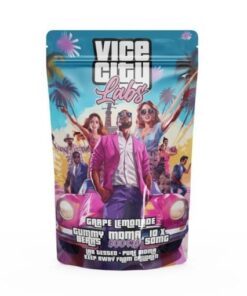
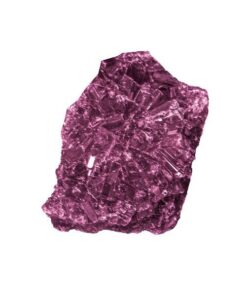
MDMA For Sale Online
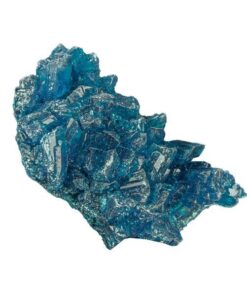
MDMA For Sale Online
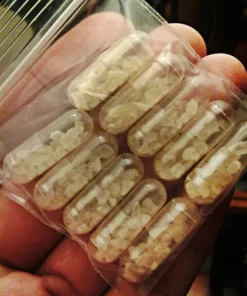
Buy MDMA Capsules
MDMA For Sale Online
MDMA For Sale Online
MDMA For Sale Online
MDMA For Sale Online
Reviews
There are no reviews yet.